


- Japanese Craftsmanship for Summer Comfort -
▼ Table of Contents ▼
What Is Chijimi?
- Fabrics Designed for Hot and Humid Summers -
Omi Chijimi
- Soft and Lightweight Comfort for Everyday Wear -
Ojiya Chijimi
- Crisp, Dry Comfort from a Snow Country Tradition -
Which Chijimi Fabric Is Right for You?
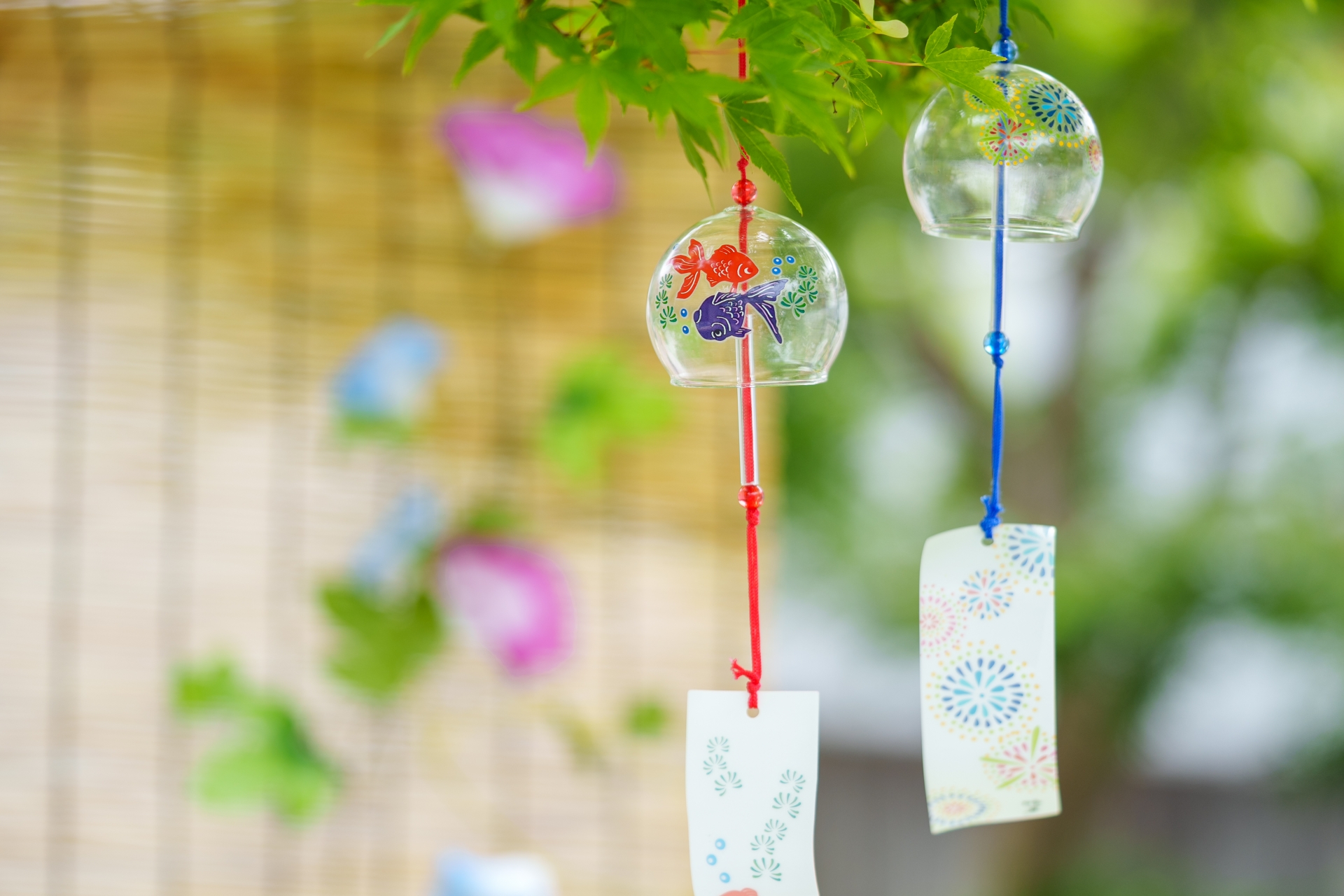
Japan’s summers are known for their intense heat and humidity.
For centuries, people in Japan have sought ways to stay cool and comfortable during the warmer months. One of the traditional solutions born from this climate is Chijimi — a uniquely textured Japanese fabric designed for breathability and comfort.
Among the wide varieties of Chijimi, two of the most well-known are Omi Chijimi and Ojiya Chijimi. At WASUIAN, samue and jinbei made from these fabrics have long been cherished as timeless summer garments.
Although both fabrics are appreciated for their cool and airy feel, each has its own history, texture, craftsmanship, and character. In this blog, we will explore the differences between Omi Chijimi and Ojiya Chijimi, including their origins, manufacturing methods, comfort, and price range, to help you choose the one that best suits your lifestyle.
Whether you are searching for comfortable summer clothing, discovering traditional Japanese textiles for the first time, or deciding between these two fabrics, we hope this guide will serve as a helpful reference.
What Is Chijimi?
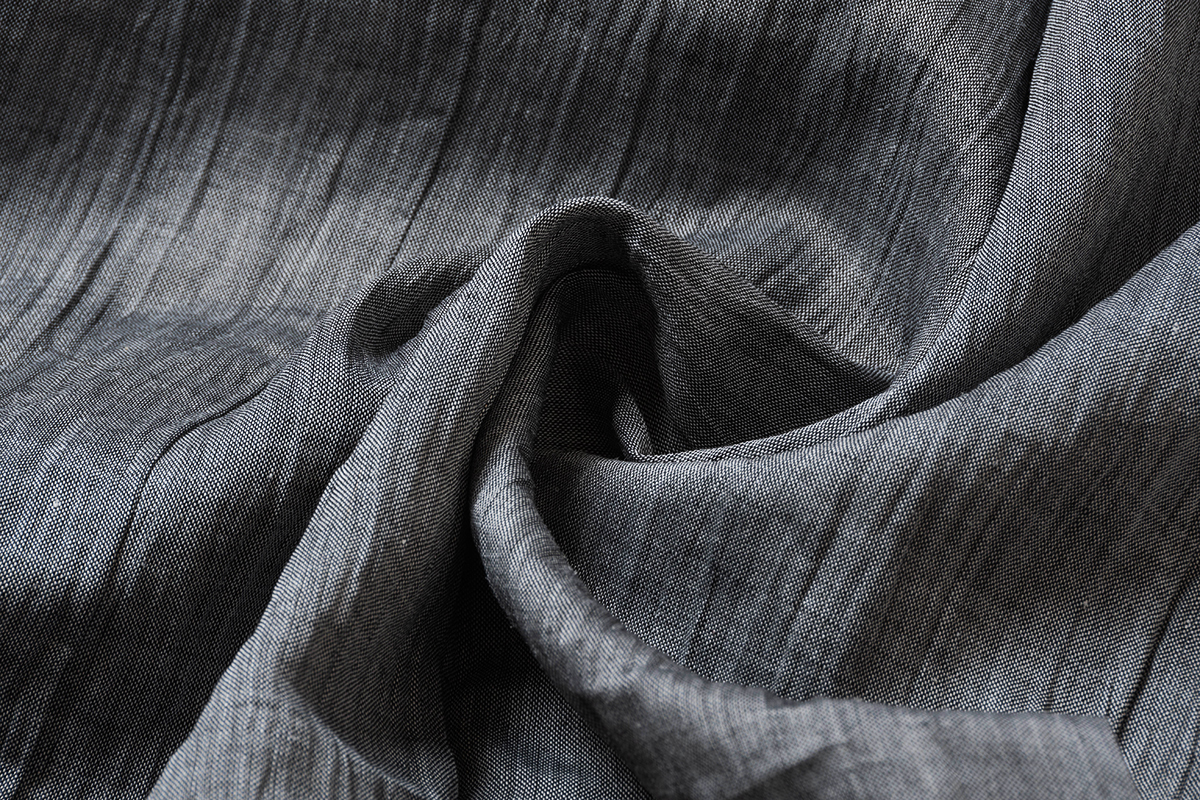
Chijimi refers to a traditional Japanese fabric characterized by its finely textured surface, known as shibo - delicate natural creases and ridges created on the fabric.
These textured surfaces reduce the amount of fabric touching the skin, allowing air to circulate more freely. As a result, Chijimi fabrics feel cool, dry, and comfortable even during humid weather.
The origins of Chijimi are believed to date back as far as the Nara (710 - 794) to the Heian period (794 - 1185). Textile techniques introduced from China were gradually adapted to suit Japan’s humid climate, leading to the development of fabrics specifically designed to improve comfort during summer.
Over time, regional textile traditions evolved throughout Japan during the Edo period (1603 - 1868), eventually giving rise to famous local fabrics such as Omi Chijimi and Ojiya Chijimi.
Although demand declined during the modernization of Japan in the Meiji era (1868 - 1912), these traditional textiles are now being rediscovered and appreciated once again for their breathability, craftsmanship, and natural comfort.
Omi Chijimi
【Refined Craftsmanship Nurtured by Water and Climate】
Omi Chijimi is a traditional ramie textile that has been produced for over 400 years in the Koto region of Shiga Prefecture, near Lake Biwa — the largest lake in Japan. Sometimes referred to as Kinuasa Jofu(絹麻上布), meaning “ ramie fabric with the elegance of silk,” Omi Chijimi is admired for its refined appearance and soft texture.
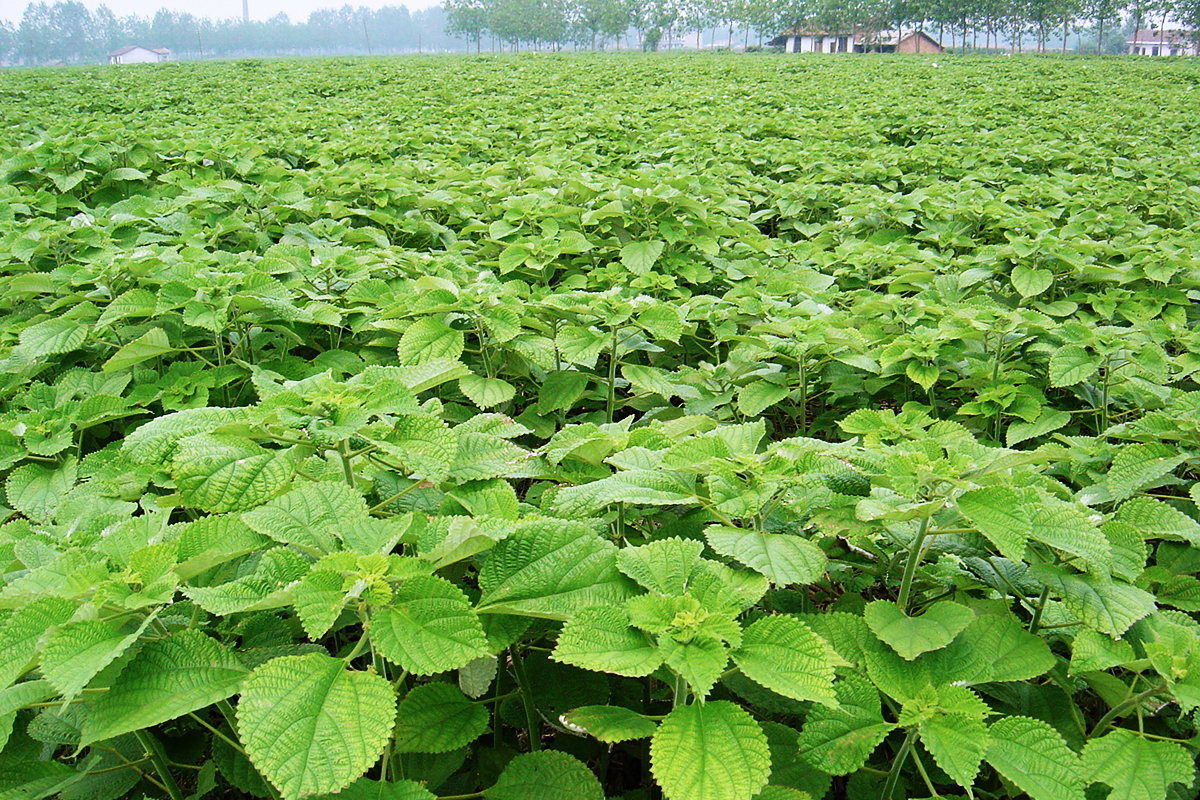
The region’s clean water and naturally humid environment helped cultivate delicate textile techniques that gently preserve the character of hemp and ramie fibers while creating a supple and lightweight fabric.
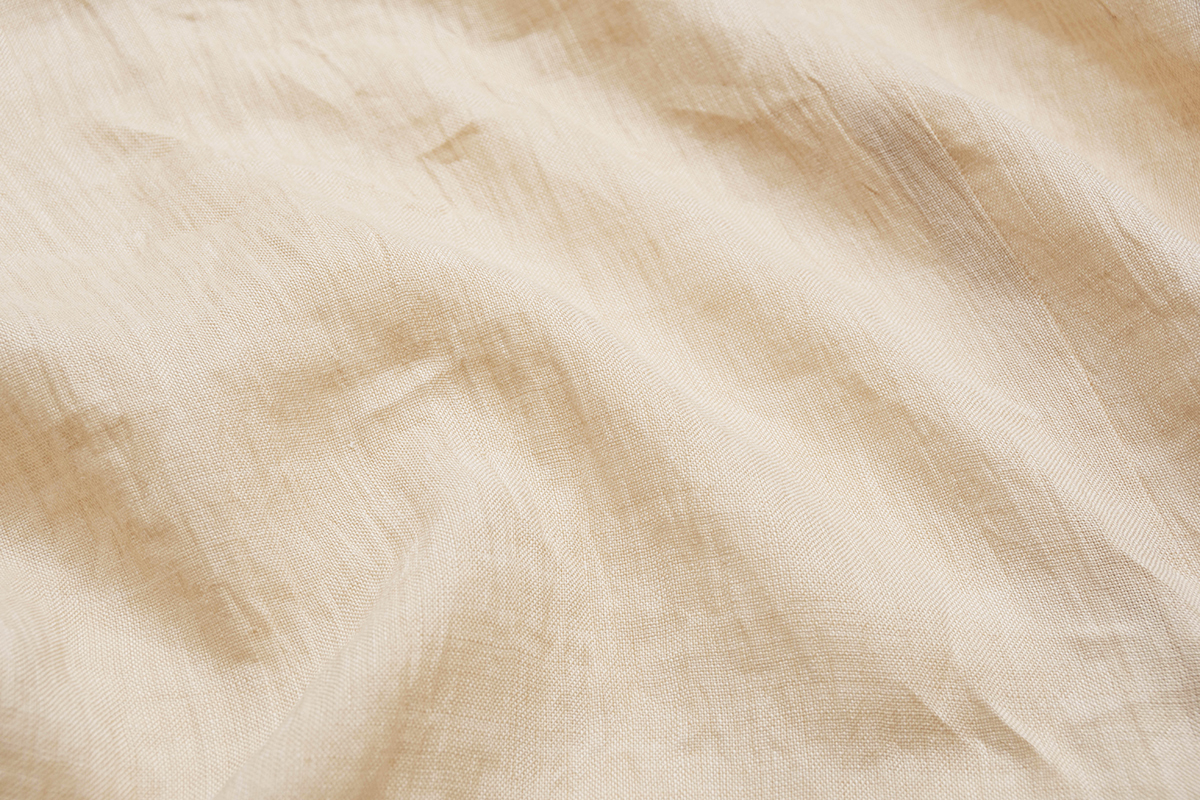
Omi Chijimi
Production Method and Price Range
Omi Chijimi is made using tightly twisted weft yarns that create the signature textured surface. Today, parts of the shibo production process are mechanized, allowing for stable quality and more efficient production. Because of this balance between craftsmanship and efficiency, Omi Chijimi products are generally available at a more approachable price range compared to highly labor-intensive traditional textiles.
Characteristics
- Soft and lightweight texture
- Gentle and comfortable against the skin
- Elegant and natural shibo texture
Recommended For:
- Those seeking comfortable relaxation wear
- Everyday home wear and casual summer clothing
Ojiya Chijimi
【Exceptional Breathability Created Through Traditional Craftsmanship】
Ojiya Chijimi, traditionally produced in and around Ojiya City in Niigata Prefecture, is a historic textile with a legacy spanning more than 1,200 years. Designated as an Important Intangible Cultural Property of Japan, it is widely regarded as one of the country’s finest summer fabrics.
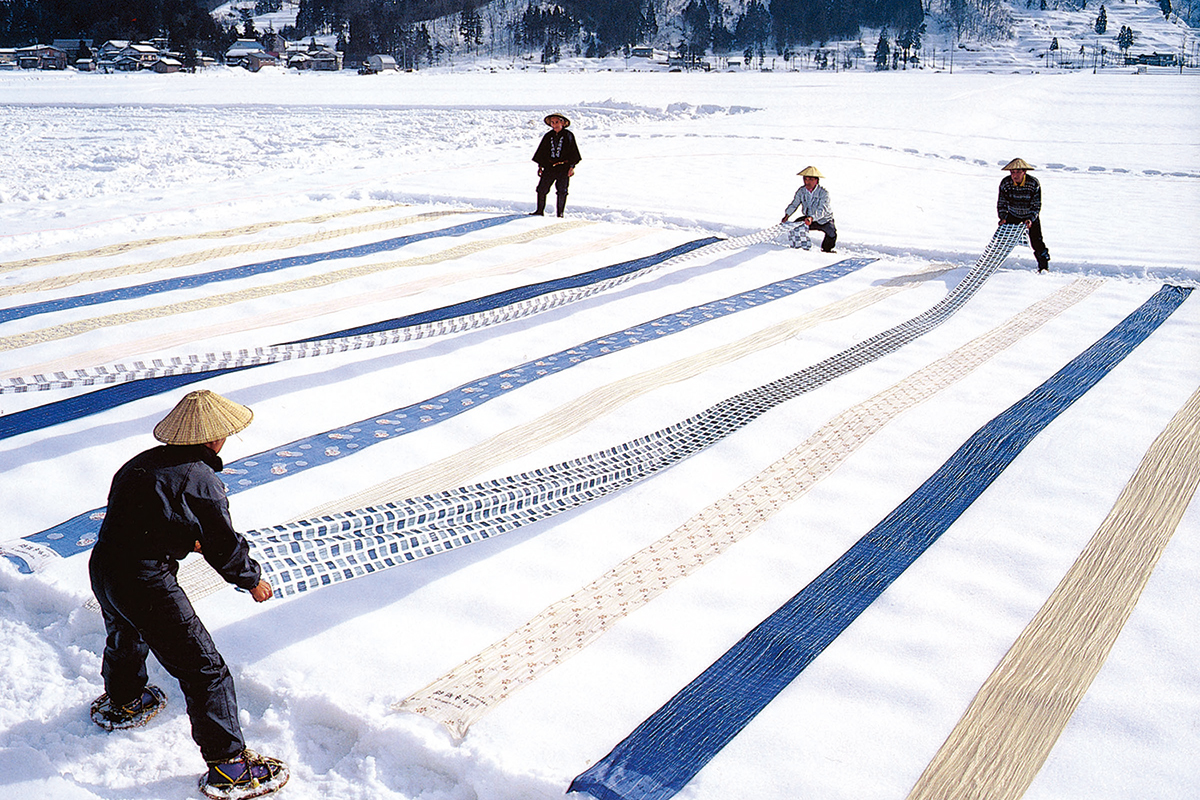
Its appeal lies in the master craftsmanship refined through generations in a region known for its heavy snowfall. Among its most iconic techniques is yukizarashi, or “snow bleaching,” in which fabric is spread across snow-covered fields to achieve a naturally bright appearance and supple texture. In addition, tightly twisted yarns and the traditional yumomi kneading process create its signature crisp texture and exceptional breathability.
In 2009, Ojiya Chijimi and Echigo Jofu were inscribed on the UNESCO Intangible Cultural Heritage list, further recognizing their cultural significance and artisanal value on a global scale.
Niigata Prefectural Government Website
WASUIAN’s Approach: While rooted in these traditional textile techniques, WASUIAN uses fabrics designed for modern comfort and daily wearability rather than employing the full traditional Yuki Sarashi process. This allows us to preserve the refreshing texture and elegance of Ojiya Chijimi while making it more suitable for today’s lifestyles.
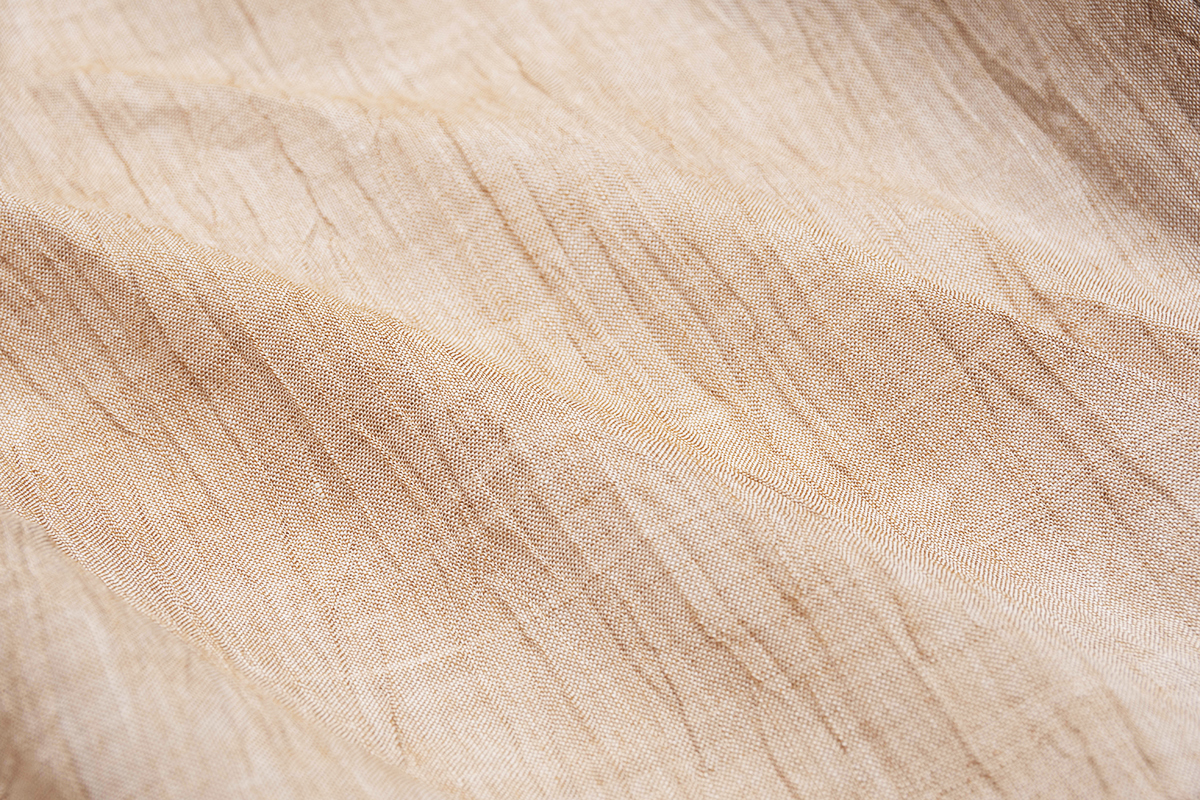
Ojiya Chijimi
Production Method and Price Range
The textured surface of Ojiya Chijimi is created through a combination of strongly twisted yarns and traditional hand-finishing techniques such as yumomi.
Because these processes require considerable craftsmanship and labor, Ojiya Chijimi products tend to be positioned at a higher price range. Its internationally recognized cultural value also contributes to its prestige.
**Museum-grade or officially certified cultural heritage textiles may be significantly more expensive*
Characteristics
- Crisp and dry texture with a refreshing feel
- Excellent breathability and quick-drying performance
- Distinctive and pronounced shibo texture
Recommended For:
- Those who appreciate traditional Japanese craftsmanship
- For refined summer attire and formal occasions
Which Chijimi Fabric Is Right for You?
Both Omi Chijimi and Ojiya Chijimi offer unique qualities, and the choice between them depends on what you value most.
- Recommended for Those Who -
| Omi Chijimi | Ojiya Chijimi |
|---|---|
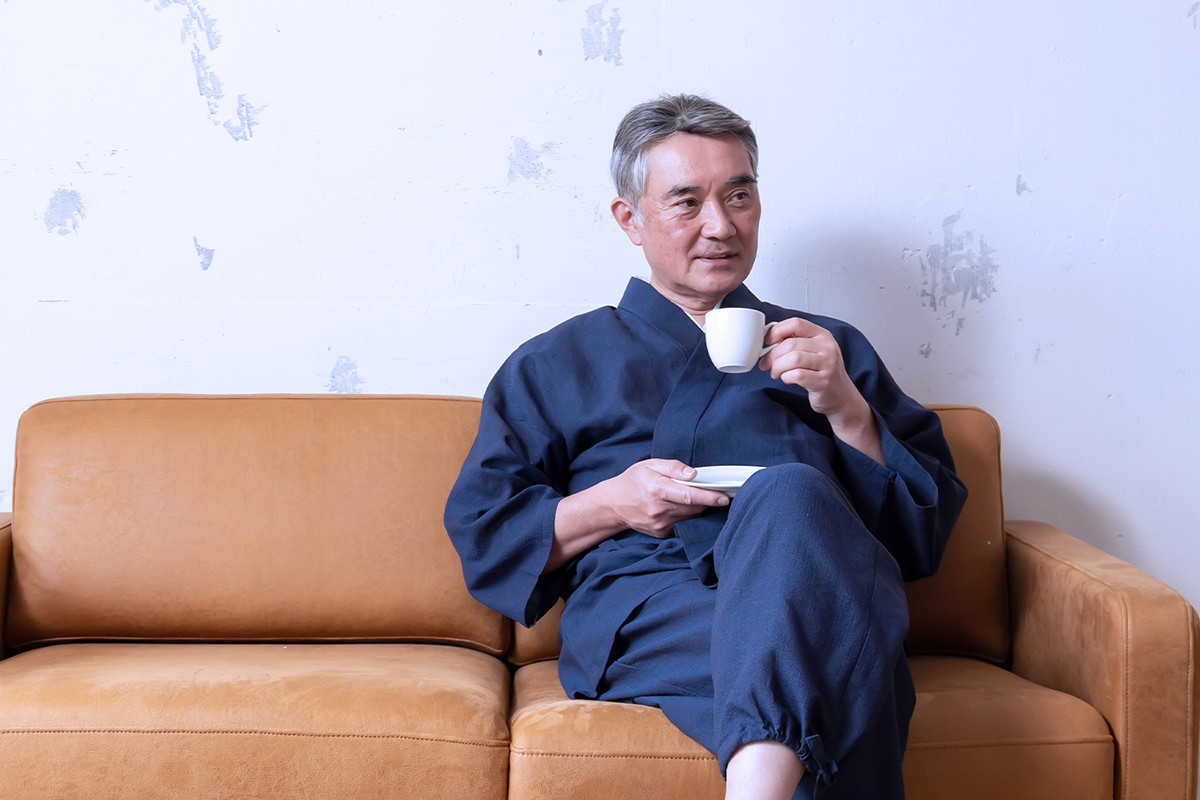
|
|
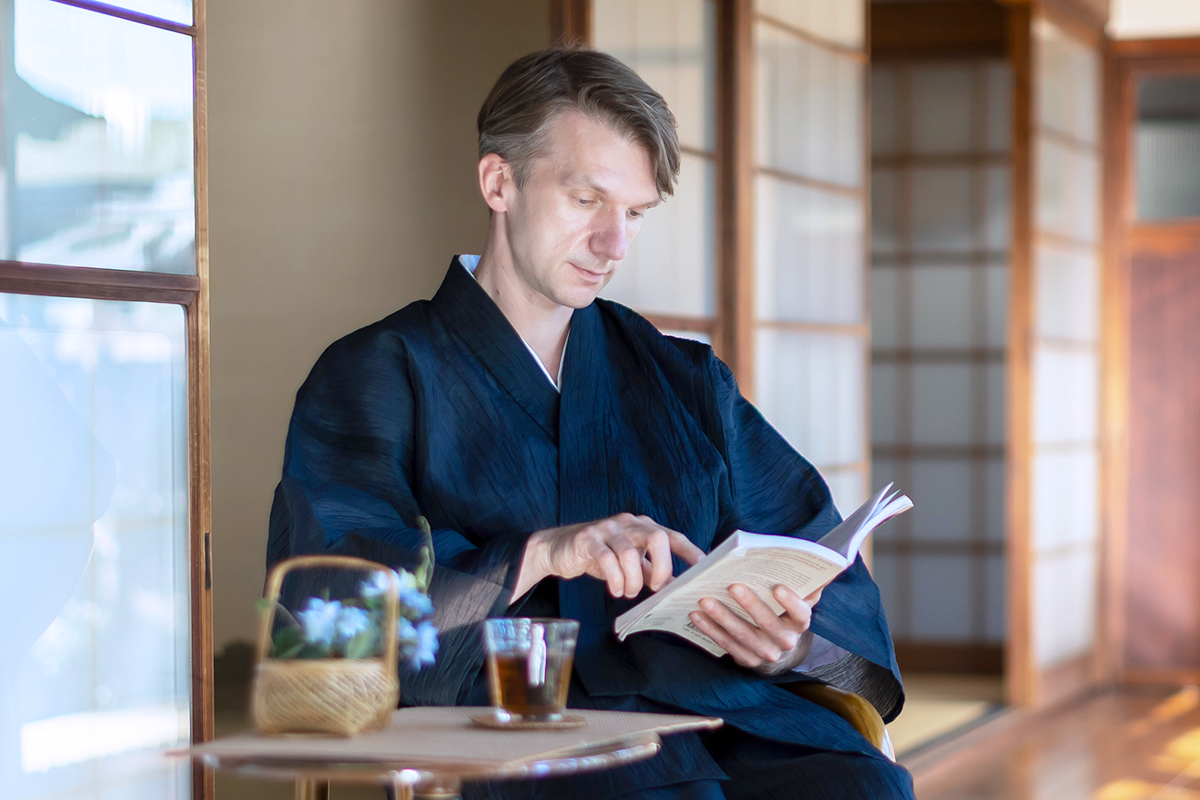
At WASUIAN, our skilled artisans carefully tailor each Chijimi samue and jinbei to bring out the unique character and comfort of these traditional fabrics. By understanding the differences and individual charm of Omi Chijimi and Ojiya Chijimi, you may find it easier to discover the garment that best suits your personal style.
When choosing between them, it may help to imagine where and how you would like to wear your garment.
Rather than enduring the summer heat, Japanese Chijimi fabrics embody a different philosophy — living comfortably alongside the seasons through thoughtful craftsmanship and natural materials.
We invite you to experience this timeless Japanese wisdom for yourself.
References