


The History of Daruma
and the Origins of Takasaki Daruma
▼ Table of Contents ▼
The Origin of Daruma: The Legend of Zen Monk Bodhidharma
Why Daruma Spread as Lucky Charms Across Japan?
Shorinzan Daruma Temple — Birthplace of Takasaki Daruma
Daruma in the Modern Age: The Fusion of Prayer and Design
Daruma as a Cultural Symbol Nurtured by the Japanese Spirit
Japan is home to many traditional lucky charms—from beckoning cats and decorative rakes to the Seven Gods of Fortune. Among them, the Daruma doll is one of the most iconic symbols of good luck, widely associated with the Japanese proverb “fall down seven times, stand up eight.”
With its bright red body, rounded shape, and powerful expression, the Daruma has become a cherished good-luck charm representing resilience, perseverance, and the determination to overcome adversity.
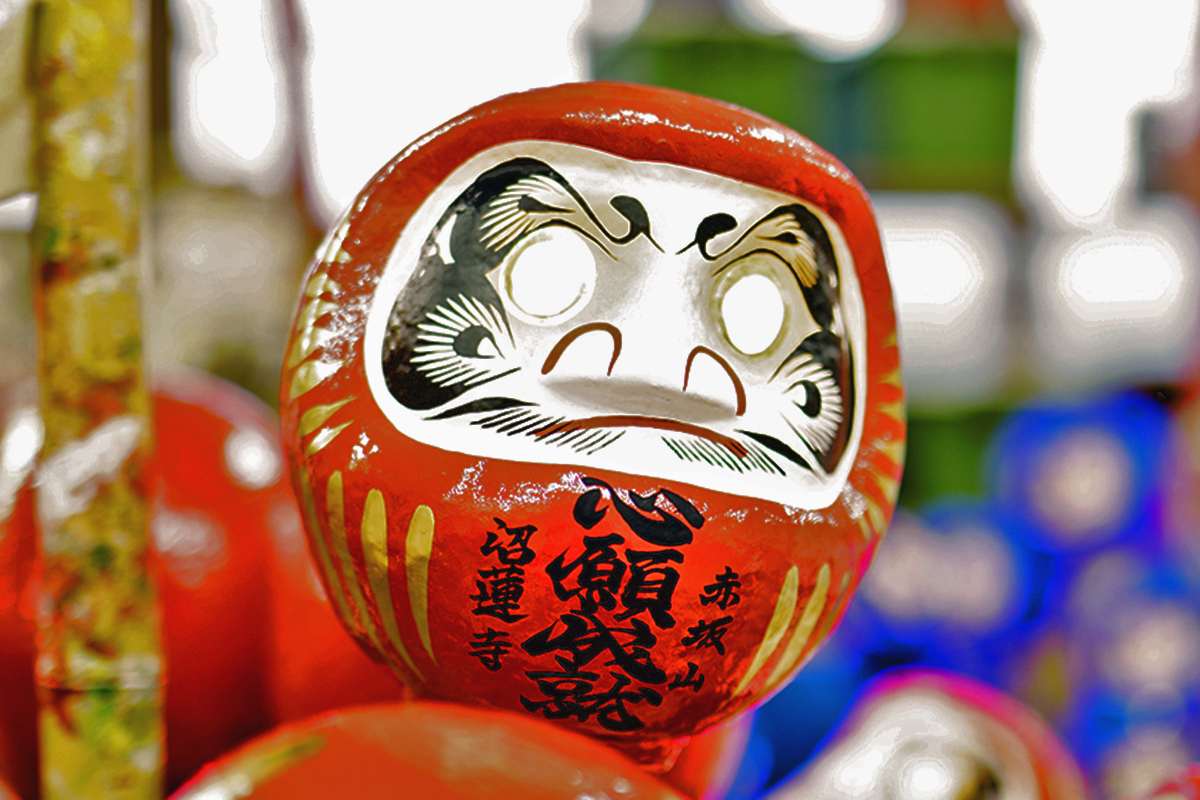
Despite their plump and charming forms, Daruma dolls possess a dignified gaze. Regional artisans craft them by hand, resulting in subtle variations in their expressions—so much so that no two Daruma look exactly alike. Their self-righting design, which naturally brings them upright after being pushed over, has made them a reassuring presence in everyday Japanese life for centuries.
Many visitors to Japan encounter the well-known ritual: “Paint one eye when you make a wish, and paint the other when it comes true.”
Through this simple act, the Daruma becomes a personal symbol of hope and goal-setting, quietly accompanying people on their journeys toward achievement.
This article explores the origins and cultural meaning of Daruma dolls, explaining why Daruma are red, how they spread across Japan, and why they became such powerful talismans for success, health, and protection.
We also introduce the background of Takasaki Daruma, one of Japan’s most famous regional styles, and the artisans who carry on its traditional paper-mâché craftsmanship. In later chapters, we explore the profound cultural significance Daruma hold in Japanese history, spirituality, and modern design.
The Origin of Daruma: The Legend of Zen Monk Bodhidharma
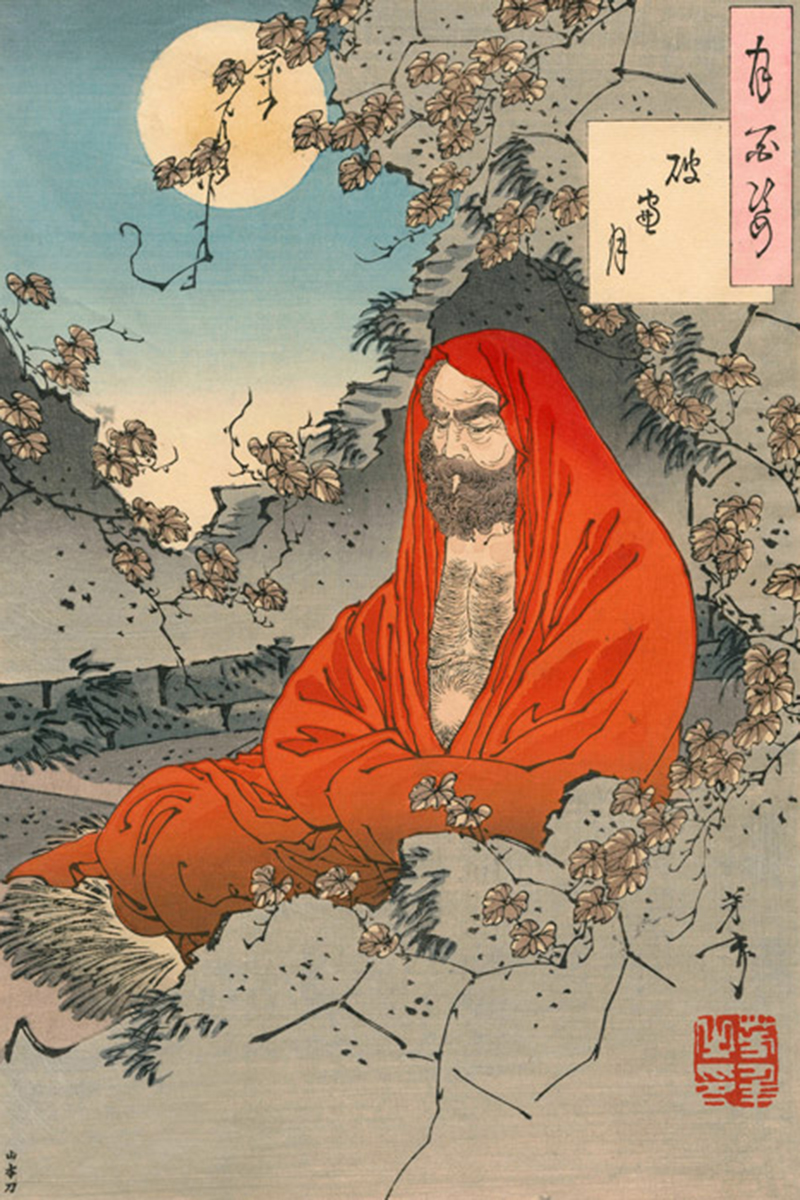
The word Daruma comes from Bodhidharma, the legendary monk revered as the founder of Zen Buddhism. According to tradition, Bodhidharma traveled from India to China sometime between the 5th and 6th centuries. It is said that he attained enlightenment after completing nine uninterrupted years of seated meditation, facing the wall of a cave at the Shaolin Temple on Mount Song.
This rigorous practice represents the core spirit of Zen—cutting off external distractions and turning inward, seeking truth not through scriptures or spoken words, but through direct insight into one’s own mind. As an embodiment of unshakable determination and spiritual discipline, Bodhidharma became a timeless symbol of perseverance and indomitable spirit.
As Buddhism spread throughout China and later to Japan, the image of Bodhidharma was deeply revered. In Japan, statues and images of Bodhidharma were enshrined primarily at Zen temples. Over time, his unwavering resolve inspired the Japanese people, who began to view him as a guardian figure associated with endurance, rebirth, and the unbreakable human spirit.
This connection between Bodhidharma’s legendary meditation and the self-righting figure of the Daruma led to the creation of the familiar doll we know today. Eventually, Bodhidharma’s symbolic qualities merged with the folk toy known as okiagari koboshi—a roly-poly figure that stands back up after being pushed—giving rise to the Daruma doll as a visual expression of the proverb:
“Fall down seven times, stand up eight.”
Through this transformation, the Daruma evolved from a spiritual symbol into one of Japan’s most beloved lucky charms, treasured for its power to motivate and encourage resilience in people’s everyday lives.
Why Daruma Spread as Lucky Charms Across Japan?
Daruma dolls are deeply rooted in the Japanese spirit and have long been regarded as powerful lucky charms that embody determination, resilience, and the act of entrusting one’s wishes to a physical object. Several historical and cultural factors contributed to their widespread adoption across Japan.
① The Powerful Symbolism of “Indomitable Spirit”
One of the defining features of the Daruma is its self-righting structure—no matter how many times it is pushed over, it rises again. This physical trait mirrors core Japanese values such as:
- perseverance and tenacity
- overcoming adversity
- dedication in business and daily life
Because of this, Daruma dolls became especially popular among merchant families, who saw them as symbols of business prosperity, recovery, and good fortune. This strong alignment with the Japanese work ethic and philosophy helped Daruma spread rapidly among common households and commercial circles.
② Mass Production and Growing Distribution Networks in the Edo Period
During the Edo period, major production centers such as Takasaki, Shirakawa, and Matsukawa developed Daruma crafting as a winter off-season occupation.
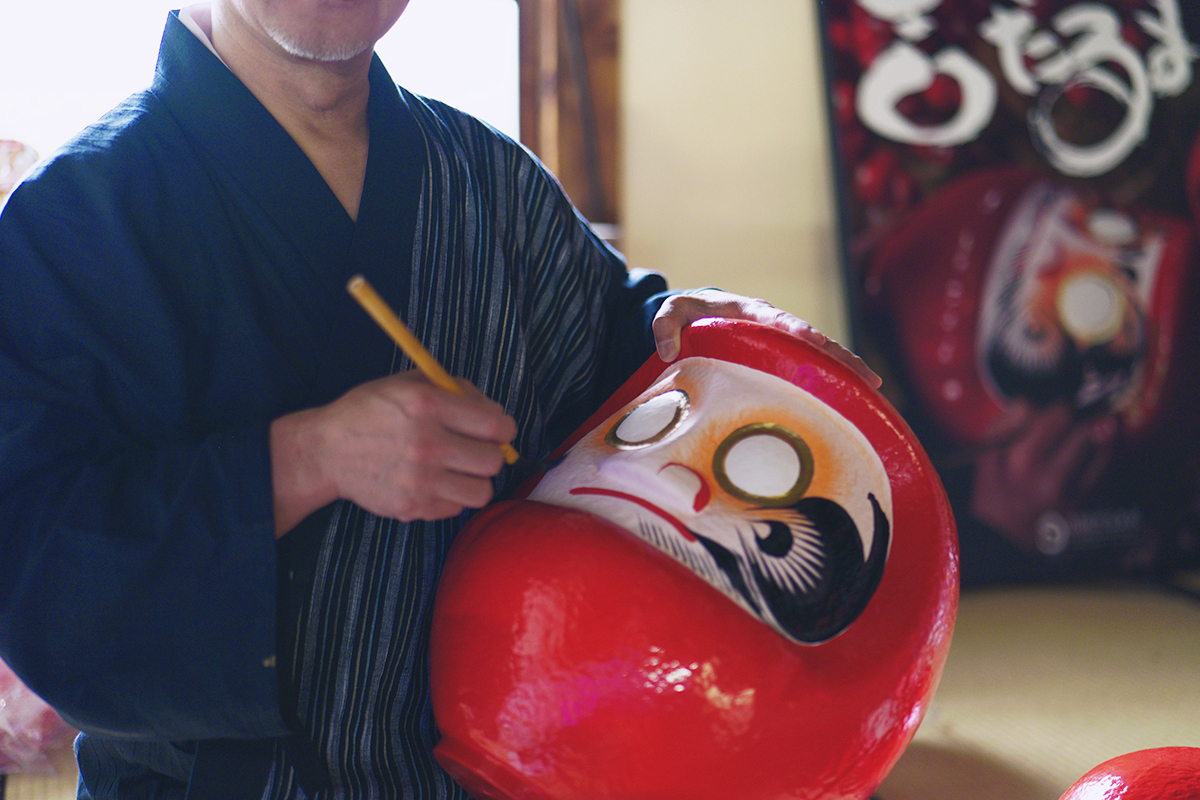
Artisans Wearing WASUIAN Samue Carefully Craft Each Daruma by Hand, One by One
As the craft expanded, Daruma dolls were sold at temple fairs, on streets, and along major trade routes. Distribution grew especially fast in eastern Japan.
For example:
- Takasaki Daruma traveled widely to Edo (modern Tokyo) via the Nakasendo
- Shirakawa Daruma spread through the Aizu Kaido and Oshu Kaido
- Matsukawa Daruma became a well-known specialty of Shinano Province
As regional highway systems developed, Daruma culture expanded along with them—eventually becoming one of Japan’s most recognizable traditional crafts.
③ The Rise of Red Daruma as Protective Charms Against Smallpox
Since ancient times, the Japanese have believed that “red possesses powerful spiritual energy and the ability to ward off misfortune and evil spirits.”
For example, take the torii gates at shrines. Using red for the torii, which mark the entrance to sacred grounds, serves to prevent impurities and evil spirits from entering from the outside.
During the Edo period, Red-painted Daruma dolls became widely used as protective talismans against smallpox. This aligned with other red-based folk beliefs, such as:
- Red Cow Figurines in Fukushima
- Red Garments for Infants
- Smallpox-related Protective Paintings
By the mid-Edo period (About 1650 - 1750), this trend solidified the now-familiar image of the red Daruma, making it the dominant color nationwide.
④ Shrine and Temple Festivals Accelerated Nationwide Distribution
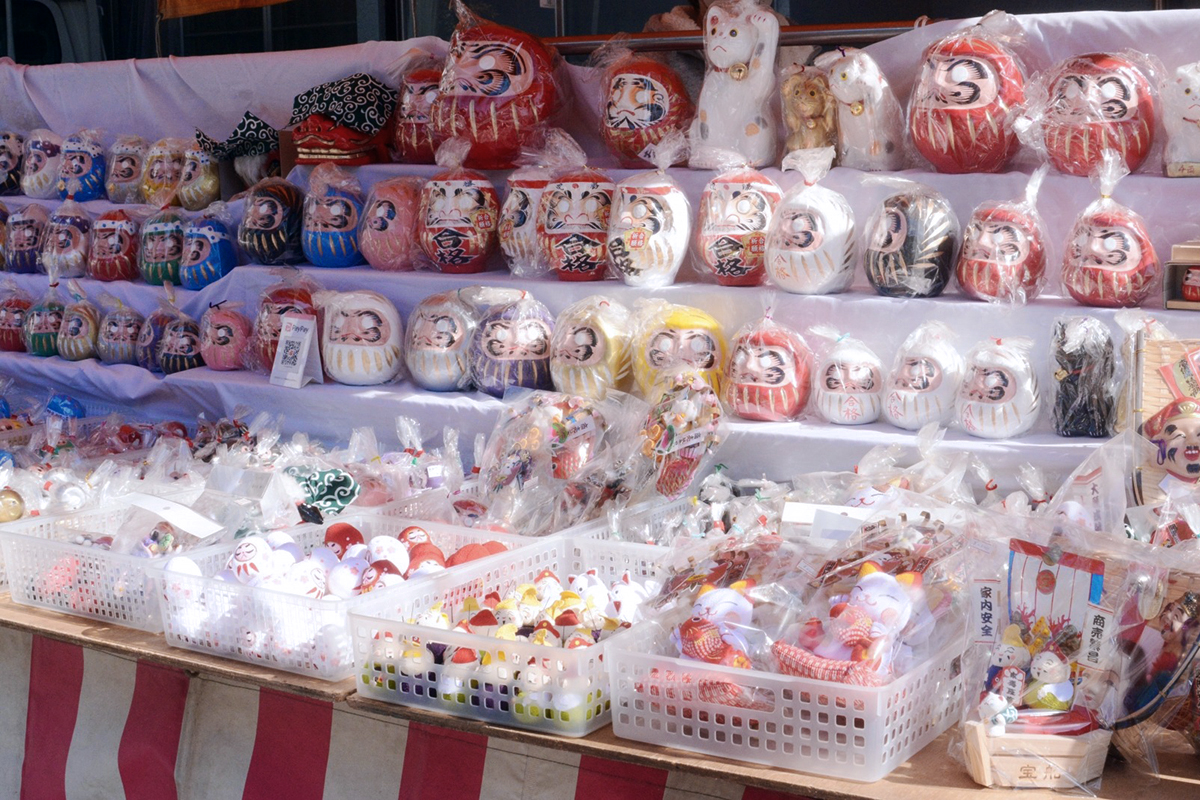
Daruma soon became deeply tied to local rituals and festivals held at temples and shrines across Japan. They were sold at:
- Daruma Markets
- New Year’s Lucky Charm Fairs
- Seasonal Markets
- Festivals Offering Daruma Blessed for Good Fortune
This created a unique cultural fusion: Buddhist-inspired Daruma belief × Shinto and folk traditions, making Daruma a universally accessible lucky charm for the new year and major life events.
⑤ A Simple and Accessible Wish-Making Ritual
Daruma’s popularity also grew because anyone could practice its wish-making ritual:
- Paint one eye while making a wish
- Paint the other eye when the wish is fulfilled
This clear, symbolic practice appealed to people pursuing goals in business, health, career advancement, or examinations. The ease and universality of the ritual helped embed Daruma into the everyday lives of Japanese people.
⑥ Regional Diversity and the Development of Local Daruma Styles
As Daruma culture spread, artisans in each region created unique, localized Daruma styles, reflecting local aesthetics and beliefs:
- Takasaki: Strong, Bold Features
- Shirakawa: Gentle, White-based Expressions
- Matsukawa: Elongated, Traditional Face
- Kyoto: Elegant and Detailed Brushwork
These variations eventually evolved into regional brands—playing key roles in tourism, seasonal festivals, and local culture. This diversity ensured that Daruma dolls continued to flourish and hold meaning across the country.
Shorinzan Daruma Temple — Birthplace of Takasaki Daruma
The Shorinzan Daruma Temple is widely known as the birthplace of the Takasaki Daruma, the most beloved and widely distributed Daruma style in Japan. For centuries, these Daruma have served as powerful lucky charms for wishes related to health, family safety, business prosperity, and success in life.
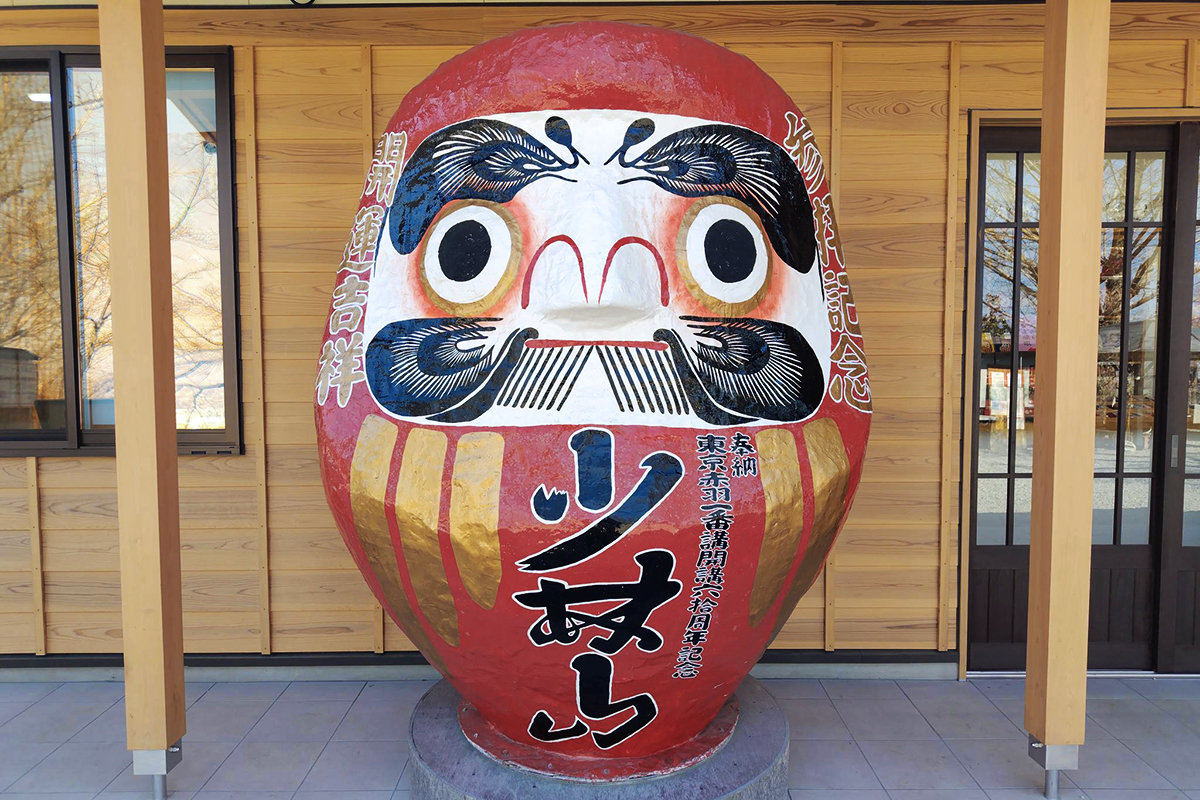
Nestled quietly in the mountains on the outskirts of Takasaki City, the temple exudes a refreshing, almost sacred tranquility. Visitors often describe the atmosphere as calm and purifying—as if the prayers of generations past still linger in the air. Within the temple grounds stands a large Daruma monument, a popular photo spot that symbolizes both local pride and the charm of Takasaki’s craftsmanship.
The Origins of Takasaki Daruma in the Late Edo Period
The roots of Takasaki Daruma date back to the late Edo period (About 1780 - 1867). During this time, the region suffered a series of natural disasters, including the devastating eruption of Mount Asama in 1783, which led to severe famine.
Concerned for the local community, the temple’s head priest created wooden molds inspired by a Daruma statue painted by the founding priest. He then taught villagers how to craft papier-mâché Daruma dolls. These Daruma were first sold during the New Year’s Seven Herbs Festival, marking the beginning of what would later become the Takasaki Daruma tradition and one of Japan’s most iconic folk crafts.
Distinctive Features of Takasaki Daruma
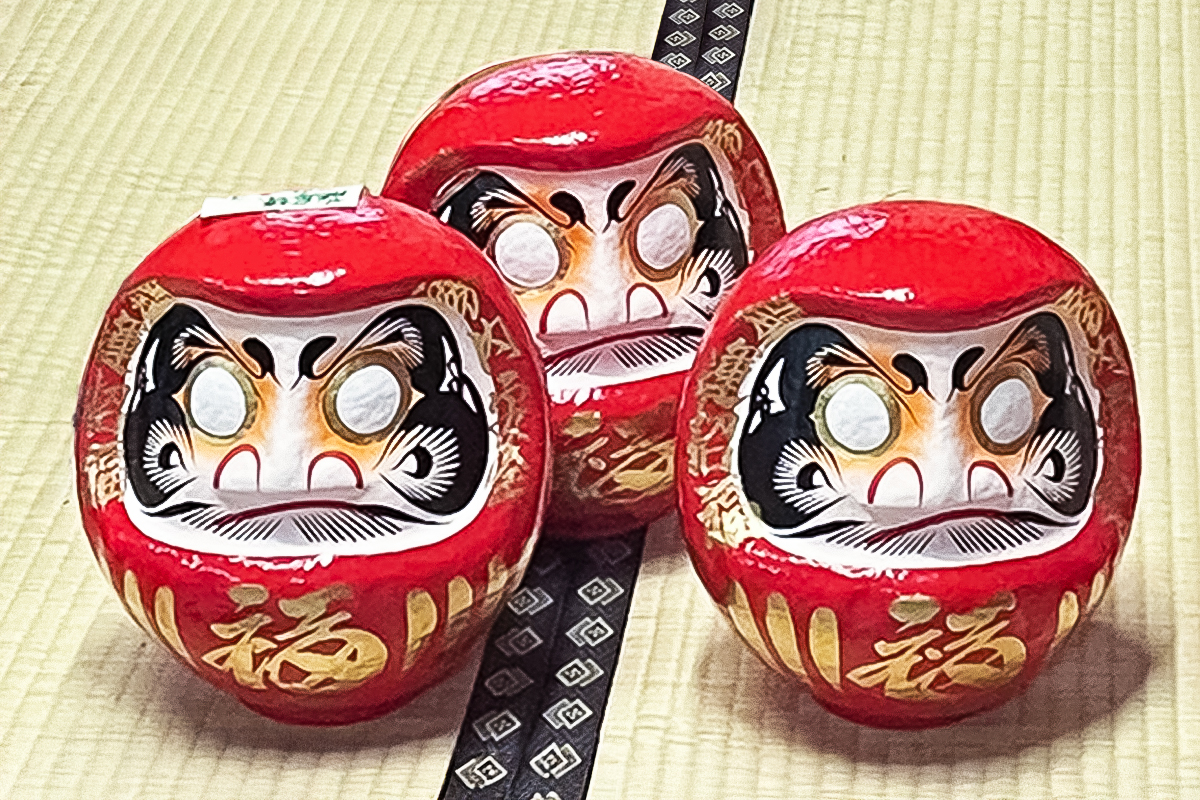
Takasaki Daruma are easily recognized by their bold and powerful expressions. Their design incorporates auspicious symbolism:
- Eyebrows: Cranes, A Symbol of Longevity
- A Mustache: Turtles, Representing Endurance and Good Fortune
- Both Sides of Face: Wishing for Success, Safety, or Prosperity
On the belly, the large inscription “Fuku-iri” (“Fortune Enters”) further enhances its auspicious meaning. Because of this highly positive symbolism, Takasaki Daruma are often affectionately called “Ebisu Daruma,” referencing the Japanese god of luck and prosperity.
A Temple Where Prayer and Tradition Live On
Today, Shorinzan Daruma Temple remains a sacred site where history, craftsmanship, and prayer intersect. As the birthplace of Japan’s most famous Daruma, it continues to preserve the spirit of determination and hope that has accompanied the Japanese people for generations.
For visitors—both domestic and international—the temple offers a unique opportunity to experience the spiritual origins of Daruma culture and understand why it remains a cherished symbol of good fortune in Japan.
Daruma in the Modern Age: The Fusion of Prayer and Design
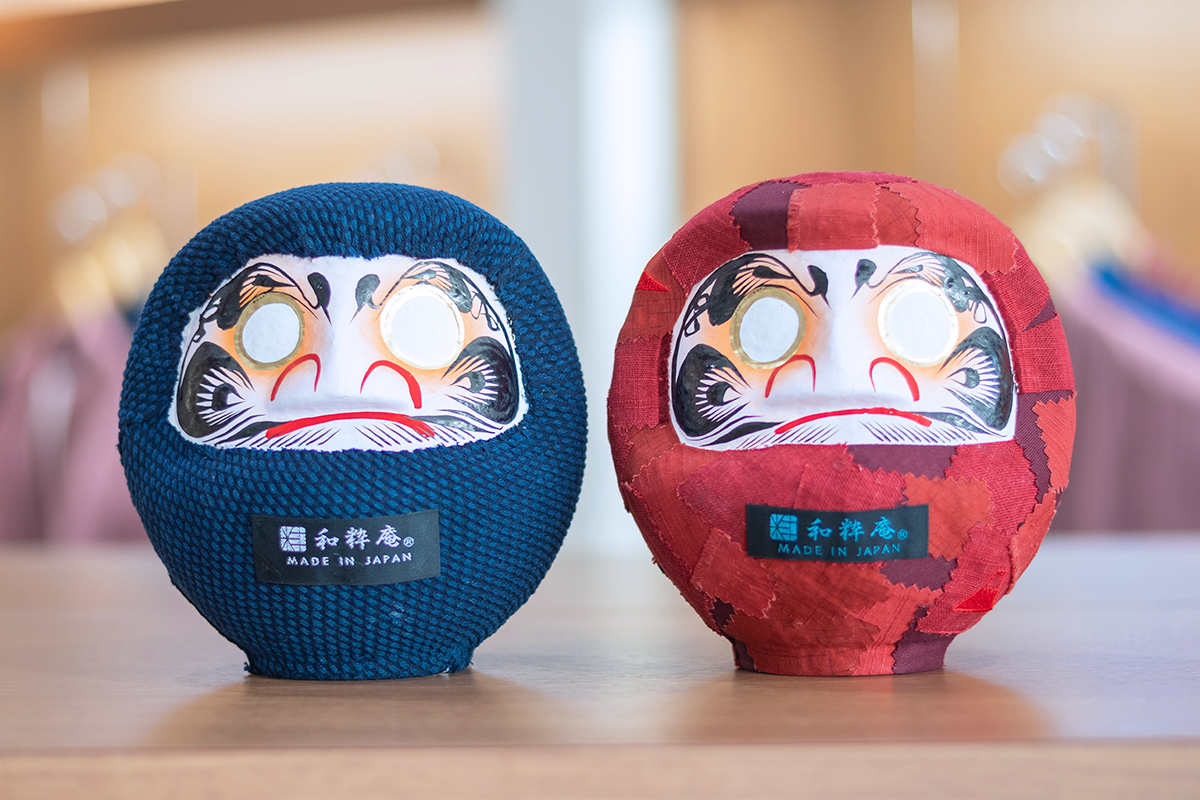
In the modern era, Daruma dolls are gaining renewed attention not only as traditional lucky charms but also as meaningful objects in interior design, contemporary crafts, and art. While rooted in centuries of cultural belief, Daruma continue to evolve—embracing new colors, themes, and forms suited to today’s lifestyles both in Japan and around the world.
Today’s Daruma come in a wide range of styles:
- Colorful Daruma Designed for Personal Preferences or Symbolic Meanings
- Business-success Daruma Used in Offices to Set Goals
- Sports-themed Daruma Supporting Teams and Athletes
- Compact, Minimalist Daruma Created as Interior Décor Items

Despite these modern interpretations, one element remains unchanged: Daruma dolls continue to serve as physical embodiments of wishes, determination, and the desire to move forward.
Many contemporary artisans and designers reinterpret Daruma through modern aesthetics—creating pieces that blend traditional symbolism with fresh perspectives. This evolution allows Daruma to remain not only a cultural artifact but also a meaningful object of personal expression, fitting seamlessly into homes, workspaces, and creative environments.
As a result, Daruma have transcended their origins as religious icons and seasonal lucky charms, becoming part of global design trends while retaining the spiritual essence that has supported people for generations.
Daruma as a Cultural Symbol Nurtured by the Japanese Spirit
Daruma dolls are far more than decorative figures. They are powerful, enduring symbols of the hopes, wishes, and prayers that people have carried with them throughout their lives. Their rounded forms and resilient structure quietly embody the human desire to persevere, rise again, and continue moving forward—even in the face of challenges.
In today’s fast-paced world, Daruma continue to offer a sense of grounding and gentle encouragement. Their presence serves as a reminder to stay focused on one’s goals and to embrace the spirit of resilience represented by the timeless phrase, “fall down seven times, stand up eight.”
This spirit aligns deeply with the worldview cherished by Wasui-an: living with intention, refinement, and care. Even a small Daruma placed in the corner of a room can enrich the atmosphere—adding warmth, quiet motivation, and a subtle sense of cultural depth.
As both a personal talisman and a cultural treasure shaped by centuries of Japanese life and regional tradition, Daruma dolls remain close companions to people’s daily journeys. Their meaning continues unchanged: to bring quiet strength, good fortune, and heartfelt encouragement into the lives of those who welcome them.
Daruma culture—past, present, and future—remains a living symbol of resilience and hope.